
"Ethiopian coffee types"
2000 article(s) found

Ethiopian Coffee Flavor Description Grind Taste Variety Fine Coffee Introduction
In July 1991, EPF hosted a national conference attended by more than 20 political and ethnic organizations. The meeting adopted the Transitional Charter and elected an 87-member House of Representatives, with EPF Chairman Meles Zenawi as President of the Transitional Government and President of the House of Representatives. A transitional government was established. On 24 May 1993, Eritrea (formerly Ethiopian Province of Eritrea) adopted a resolution at the International Conference on the Elimination of All Forms of Discrimination against Women (ICPD).
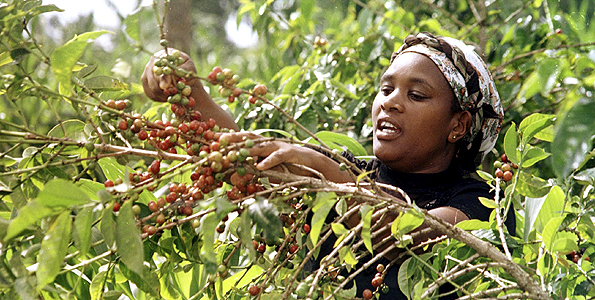
Yega Xuefei Sun treatment Banki Magi Ethiopia primeval Forest China Coffee net Fine Coffee
There are eight main producing areas of Ethiopian coffee: Ekempti, Limu, Illubabor, Djimma, Harrar, Teppi/Bebeka, Sidamo, Yirgacheffe. Ethiopian coffee is highly rated in Taiwan, especially Chinese people are particularly interested in the three famous producing areas of Ethiopia, namely Harrar, Sidamo and Yirgacheffe.

High quality Coffee production and sales of Coffee from Ethiopia Coffee
Ethiopian coffee beans grow in close to the natural environment, after years of planting under the same growth conditions, Ethiopian coffee beans have gradually adapted to the environment here. More than 60% of coffee beans are grown in forests or semi-forests. Large-scale coffee-growing villages account for about 35% of the country's total coffee production. Many of these are used.

What are the varieties of coffee, the introduction of common types of coffee, the types and characteristics of coffee
For information, please pay attention to Coffee Workshop (Wechat official account cafe_style) there are more than 500 species and 6000 varieties of coffee trees, most of which are tropical trees and shrubs. There are four main coffee trees in the world, of which only two are of real commercial value and are planted in large quantities, and the quality of the coffee beans produced by other coffee trees is also higher than that of other coffee trees. Common coffee tree species

World boutique coffee farm beans; Harald mocha (part 1) in Ethiopia has a delicate and rich taste
[product name]: Ethiopia Harald Mocha (Ethiopia Harar Mokha) [quality rating]: DP Grade 4 [baking]: recommended moderate baking (Medium Roast or City Roast) [grade]: excellent [granule]: ★ full [acidity]: ★★★★ slightly sour, dark chocolate aftertaste [balance]: ★★★★ is very stable
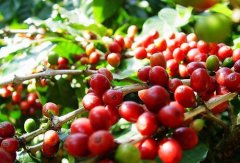
Boutique coffee, Ethiopian Sidamo Lion King Sun treatment
The coffee flavor of Sidamo is very diverse, and the different soil types, microclimate and countless native coffee species make the coffee produced in each town have obvious differences and characteristics. In 2010-12, it won three consecutive high marks from coffee review 92 to 94, which shows the extraordinary value of raw beans in this area! Domestic horizontal

Sidamo sidamo Shakisso micro-production area Sidamo coffee
Ethiopian Sidamo is a type of single origin that grows in Arabica coffee in Ethiopia's Sidamo province. Like coffee in most African countries, Ethiopian Sidamo is characterized by small gray beans, but characterized by its rich, spicy, wine or chocolate-like taste and floral aroma. The most distinctive flavors found in all Sidamo coffee are lemon and citrus, bright.
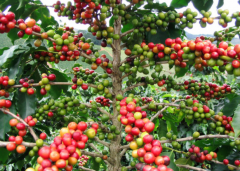
Ethiopian Sidamo Lion King Sun-treated Fine Coffee
Coffee bean details: 1. Country: Ethiopia 2. Grade: G13. Production area: Guji 4. Planting altitude: 1800-2000m 5. Soil type: volcanic laterite 6. Annual rainfall: 1100-1200 cm 7. Treatment: insolation 8. Variety: native species (Heirloom) 9. Disposal site: Sirsa Cooperative 10. Raw bean specification: 17-18 items 11. Flavor: Jasmine, honey,

Sidamo Sun Lion King Ethiopian boutique coffee beans
Coffee bean details: 1. Country: Ethiopia 2. Grade: G13. Production area: Guji 4. Planting altitude: 1800-2000m 5. Soil type: volcanic laterite 6. Annual rainfall: 1100-1200 cm 7. Treatment: insolation 8. Variety: native species (Heirloom) 9. Disposal site: Sirsa Cooperative 10. Raw bean specification: 17-18 items 11. Flavor: Jasmine, honey,

Introduction to the treatment methods of Grinding degree of varieties for describing the Flavor of Coffee Manor in Ethiopia
Small shareholders in Ethiopian coffee farms have been producing all kinds of high-quality coffee. The secret to producing high quality coffee is that coffee growers have developed a coffee culture in a suitable environment through generations of repeated learning about the coffee growing process, which mainly includes farming methods using natural fertilizers, picking the reddest and fully ripe fruits and
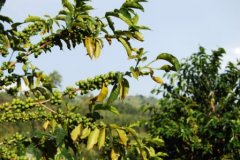
Ethiopian boutique coffee Sidamo Lion King guji producing area
1. Country: Ethiopia 2. Grade: G13. Production area: Guji 4. Planting altitude: 1800-2000m 5. Soil type: volcanic laterite 6. Annual rainfall: 1100-1200 cm 7. Treatment: insolation 8. Variety: native species (Heirloom) 9. Disposal site: Sirsa Cooperative 10. Raw bean specification: 17-18 items 11. Flavor: Jasmine, honey, citrus, ripe berries

Description of Flavor of High-quality Coffee beans in Ethiopian Coffee Variety producing area
Ethiopia has a unique flavor that is different from other flavors and provides customers all over the world with a wide range of taste choices. In the highlands of southwestern Ethiopia, the Kaffa, Sheka, Gera, Limu and Yayu Senri coffee ecosystems are considered the hometown of Arabica coffee. this
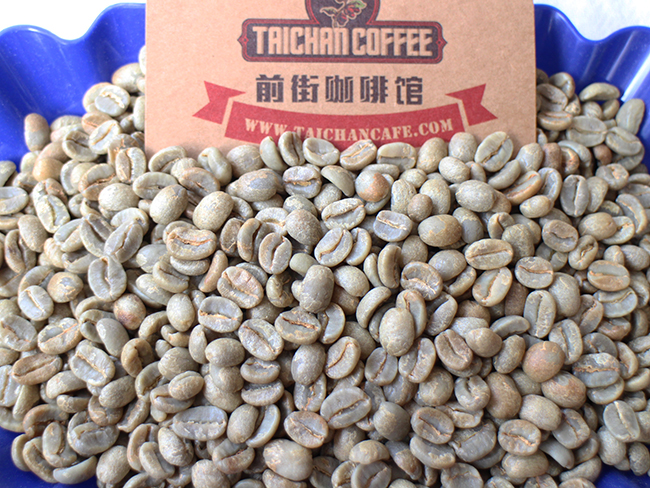
Wholesale price of imported boutique coffee and raw beans in Ethiopia Yega Xuefei Sun Banki
There are eight main producing areas of Ethiopian coffee: Ekempti, Limu, Illubabor, Djimma, Harrar, Teppi/Bebeka, Sidamo, Yirgacheffe. Ethiopian coffee is highly rated in Taiwan, especially Chinese people are particularly interested in the three famous producing areas of Ethiopia, namely Harrar, Sidamo and Yirgacheffe.

A brief introduction to the History and Culture of the Origin and Development of Coffee beans in Harald Moka Manor in Ethiopia
Ethiopia has unique natural conditions suitable for growing all imaginable varieties of coffee. As a highland crop, Ethiopian coffee beans are mainly grown in areas between 1, 100 and 2300 meters above sea level, roughly distributed in southern Ethiopia. Deep soil, well drained soil, weakly acidic soil, laterite and soil are soft and contain
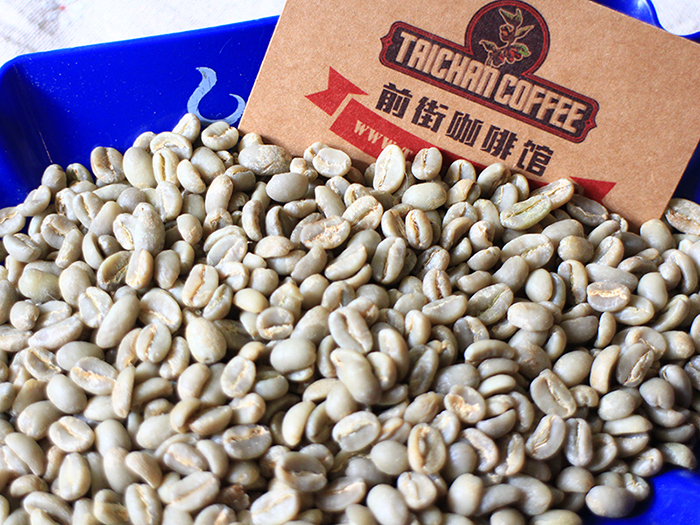
Sunburn Banqi Maji imported fine coffee raw beans Ethiopia Ye Jia Xue Fei BenchMaji original beans
There are eight major coffee producing areas in Ethiopia: Ekempti, Limu, Illubabor, Djimma, Harrar, Teppi/Bebeka, Sidamo and Yirgacheffe. Ethiopian coffee is highly rated in Taiwan, especially the Chinese are particularly interested in three famous Ethiopian producing areas: Harrar, Sidamo and Yirgacheffe.

How Ethiopian coffee is graded why Ethiopian coffee beans vary in size
Professional coffee knowledge exchange more coffee bean information please follow the coffee workshop (Wechat official account cafe_style) Ethiopia is the hometown of Arabica coffee, it is in Ethiopia's Kaffa region of the forest, you can see wild Arabica coffee. In Ethiopian, coffee is called Bun or Buna, coffee beans (coffeebean

Treatment method of grinding degree and baking degree of boutique coffee beans in aromatic Ethiopian coffee manor
Ethiopia has many world-famous types of coffee. Some of the main types of coffee are famous for their unique aroma and flavor, including the following: Limu coffee grows in areas ranging from 1400 to 2000 meters above sea level. After wet processing, this kind of coffee has a rich aroma, a full fruit with moderate acidity and alkalinity, and a high quality wine.

Characteristics of Flavor and Taste of Coffee beans in Ethiopia
Characteristics of Ethiopian Coffee Bean Flavor Manor treatment Ethiopia Sidamo is a type of single origin, growing in Arabica coffee in Sidamo province, Ethiopia. Like coffee in most African countries, Ethiopian Sidamo is characterized by small gray beans, but characterized by its rich, spicy, wine or chocolate-like taste and floral aroma. In all Cedars

Flavor description of Ethiopian Coffee introduction to planting Environment
Large-scale coffee-growing villages account for about 35% of the country's total coffee production. These coffee farms, which use a multi-tier coffee planting system, are carefully cared for. Coffee farmers do not use chemical fertilizers, but use fallen leaves and animal and plant debris to increase soil nutrition. In addition to coffee, farmers also frequently grow non-coffee crops. It even accounts for the total amount of coffee in the country.

Introduction to the characteristics and Flavor of Ethiopian Coffee Manor with Mocha refreshing Flavor
Ethiopian coffee beans grow in close to the natural environment, after years of planting under the same growth conditions, Ethiopian coffee beans have gradually adapted to the environment here. More than 60% of coffee beans are grown in forests or semi-forests. Large-scale coffee-growing villages account for about 35% of the country's total coffee production. Many of these are used.